



Notes: Spoilers for La Femme Infidèle, La Piscine, and Plein Soleil below.
There is a French actor named Maurice Ronet who I have seen in three different films, the most recent of which was this past week, in Claude Chabrol’s La Femme Infidèle. In this film, a married woman has an affair with a man (Ronet) she met at the cinema; her husband grows suspicious and hires a private investigator; the husband confronts the man at his apartment, and in a spur-of-the-moment rage, knocks the man with a bust and kills him (giggled a bit here because the trickle of blood in the scene clearly looked like red acrylic paint); the man’s body was then dumped into the water. Nothing in particular was special about this thriller that followed a conventional plotline. But it’s interesting when I note that in the two previous films I saw, Ronet also just happened to be the guy that they kill off: in La Piscine, he was drowned by Alain Delon’s character; in Plein Soleil, he was stabbed and thrown off his own boat (again by Alain Delon). Poor guy. Anyhow, all three are nice and easy summertime films to watch.

Last month, I learned of an Italian artist named Domenico Gnoli through an article in the New Yorker; the artist had a recent exhibition of his works at the Lévy Gorvy Dayan gallery in New York City. At first glance, I found his art quite exciting. Commonplace items — tie knots, shirt collars, bed and bedspreads, hairstyles — are all magnified and painted intricately. When I think of paintings, I usually picture the macro-view: a landscape, a portrait, an abstract piece of work. But here, one can take the time to inspect and scrutinize all the little details up close; to see the textures and patterns, all perceived from interesting angles.
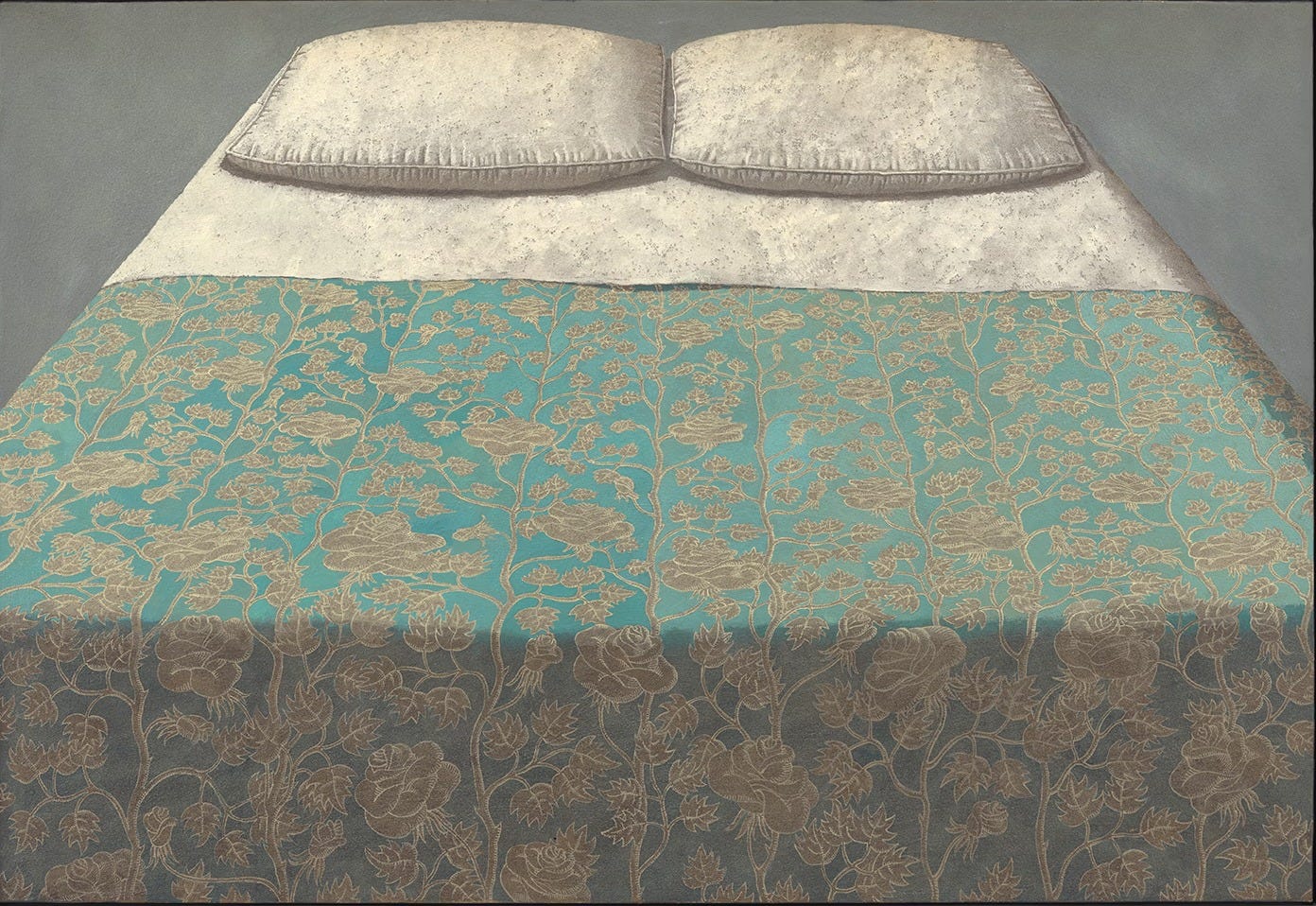
A painting titled Il grande letto azzurro, depicts a queen-sized bed with a gold-accented teal spread. I find it fascinating how many details there are to look at: the gold flowerings, for example, was executed in a way that looks quite realistic, with the shimmer and brilliance of a metallic material, but the painting as a whole retains an element of fiction (I think it might be how flat it looks, despite having shadows to make it three-dimensional).
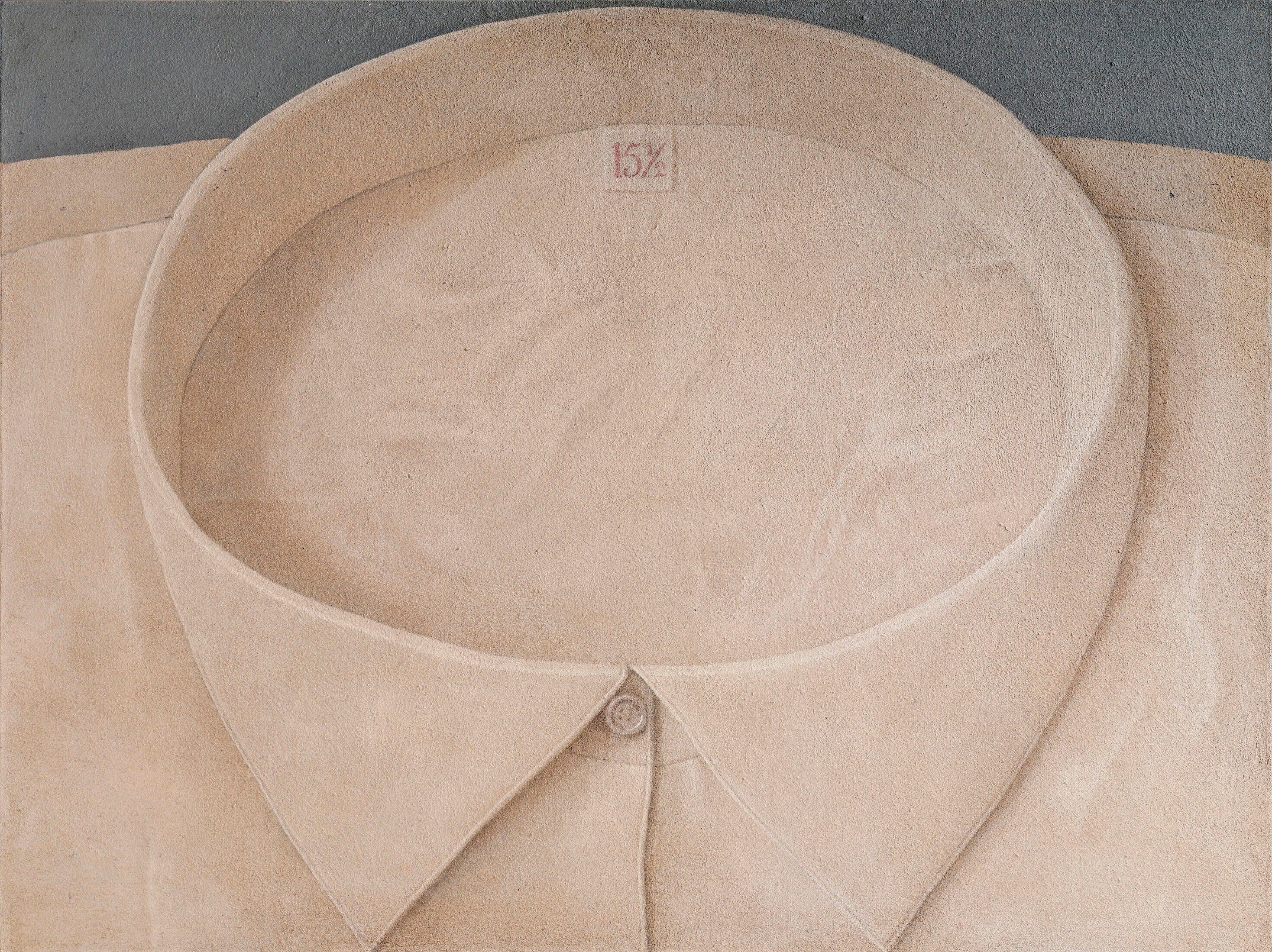
In Giro di collo 15 1/2, I like seeing the creases in the shirt, the very subtle variations in colors, that each line is ever-so-slightly wobbly — there’s a humanness to it; that the object belongs to someone or is a part of someone. I think there’s a perfectionism in all of Gnoli’s work, but it is the intentional imperfect streak that makes it captivating. One can split the painting in two halves and compare, but find that they won’t be exactly symmetrical.
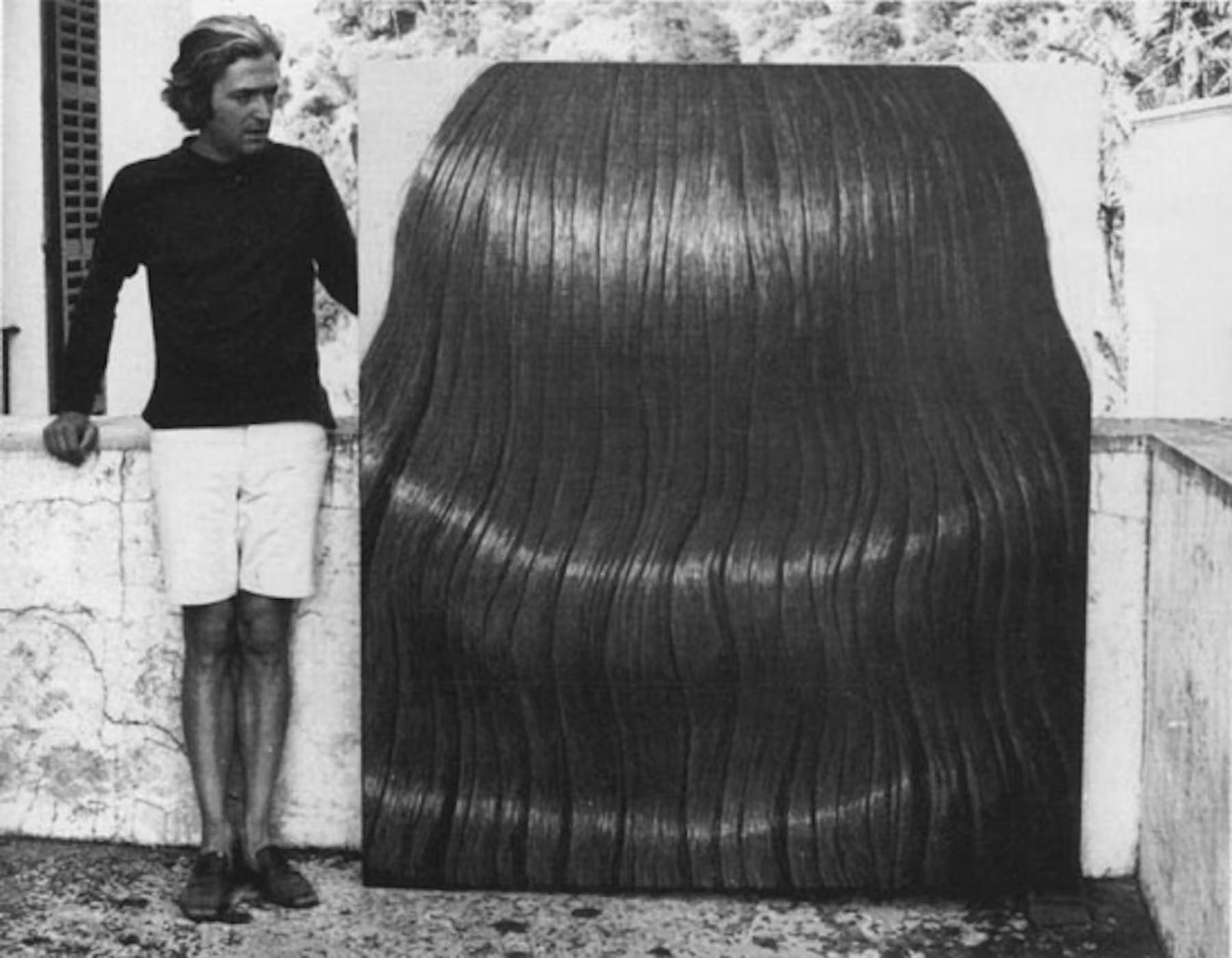
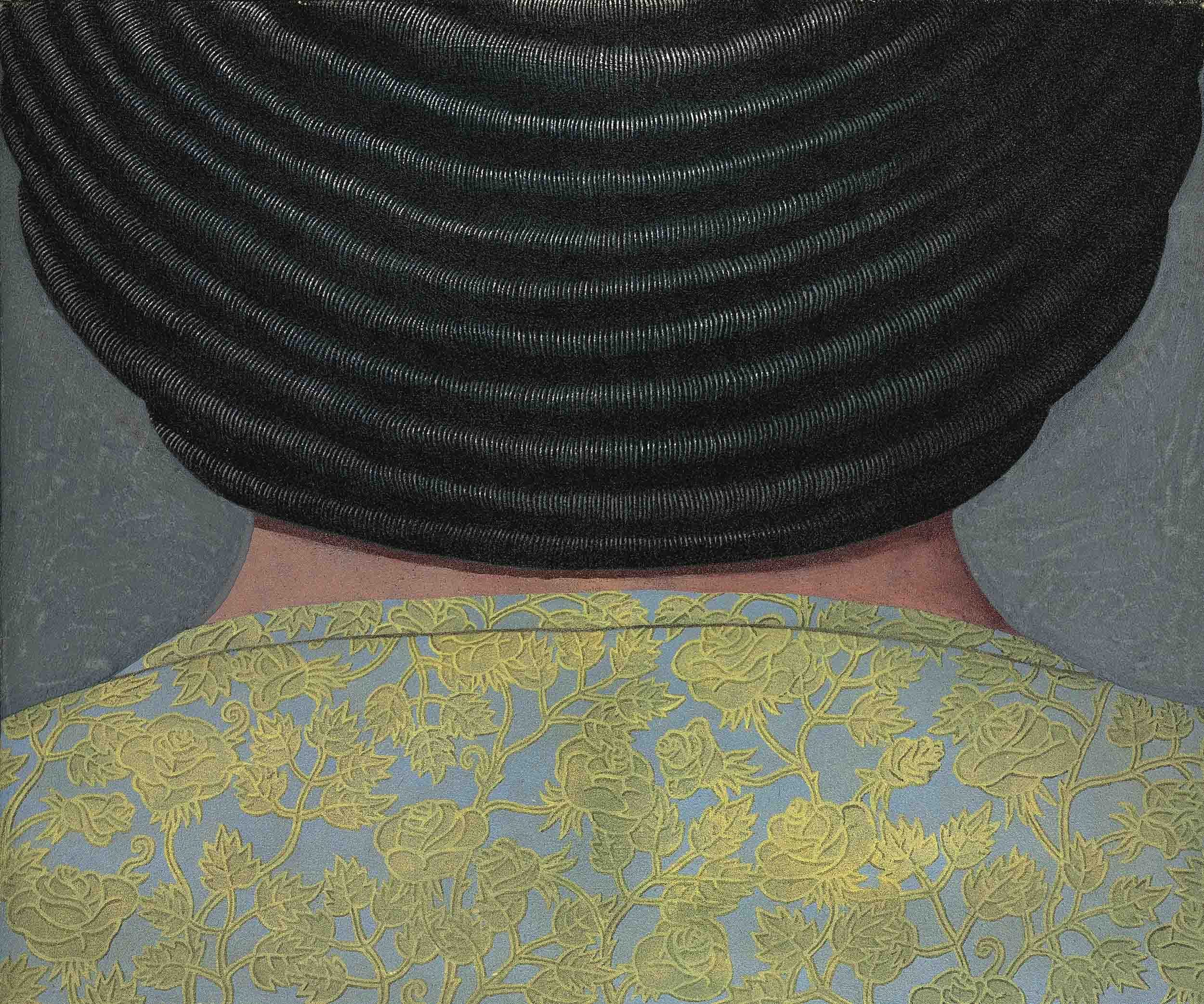
In Busto femminile di dorso, the hair must’ve been done painstakingly. Each strand of curl is unique, reflecting the light differently.
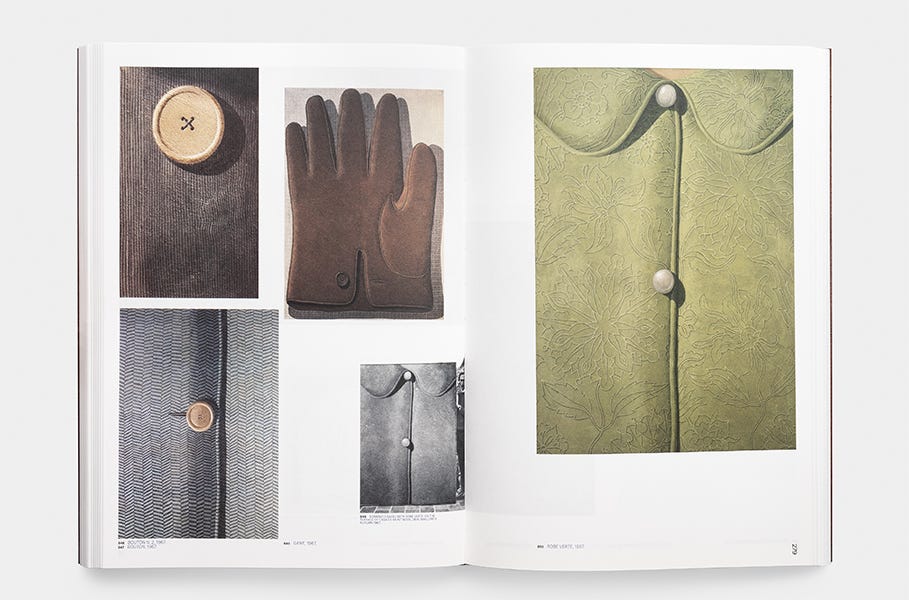
From the fall of 2021 to early 2022, Fondazione Prada held a Domenico Gnoli retrospective that presented over 100 works of his. They also produced a companion catalog that is unfortunately out of print (and very much desired by myself). I couldn’t find too much literature on Gnoli. There was only one Gnoli picture book in a university library I visited and the images were in black-and-white. Domenico Gnoli died at the premature age of 36, in 1970.
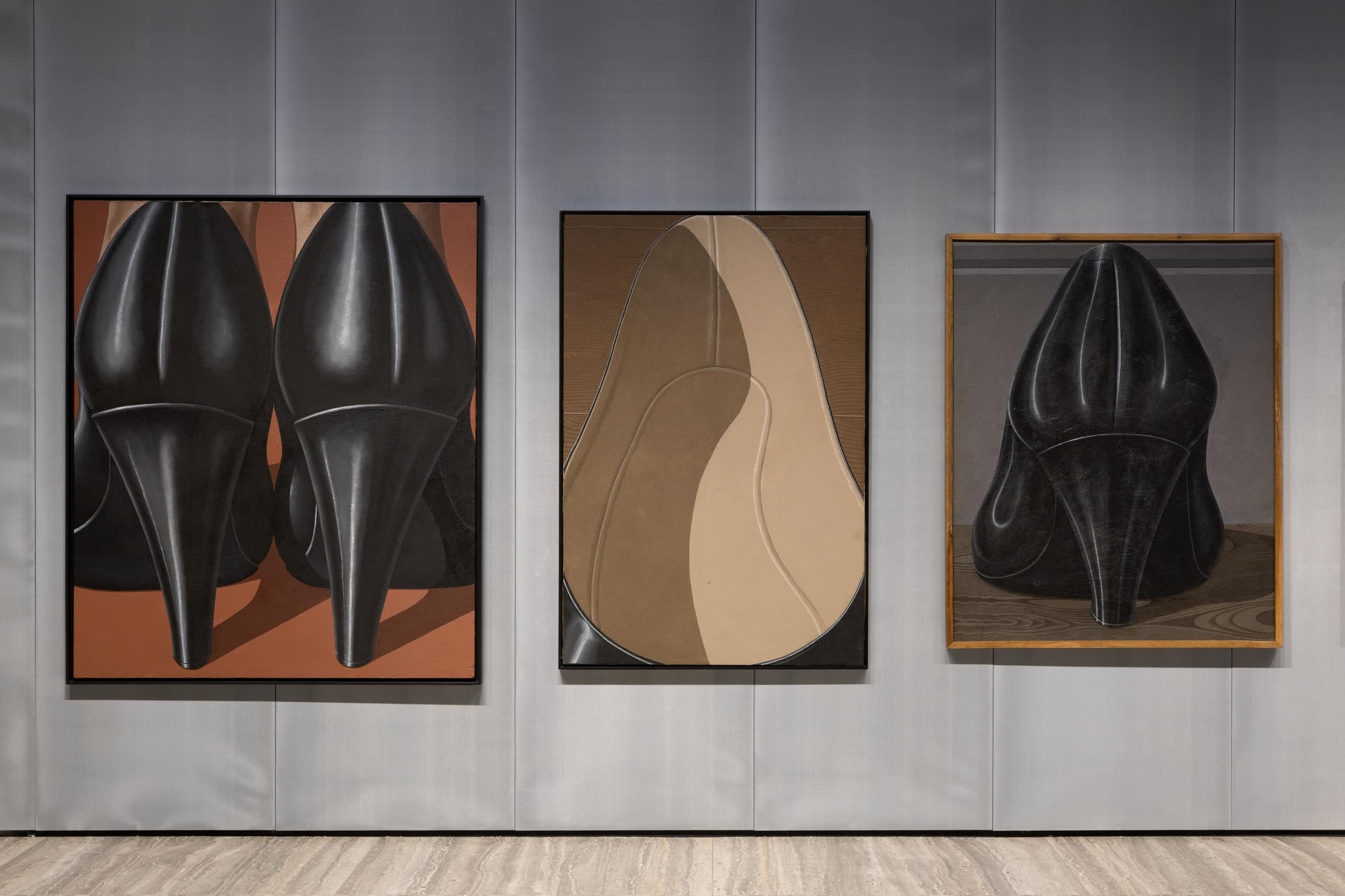
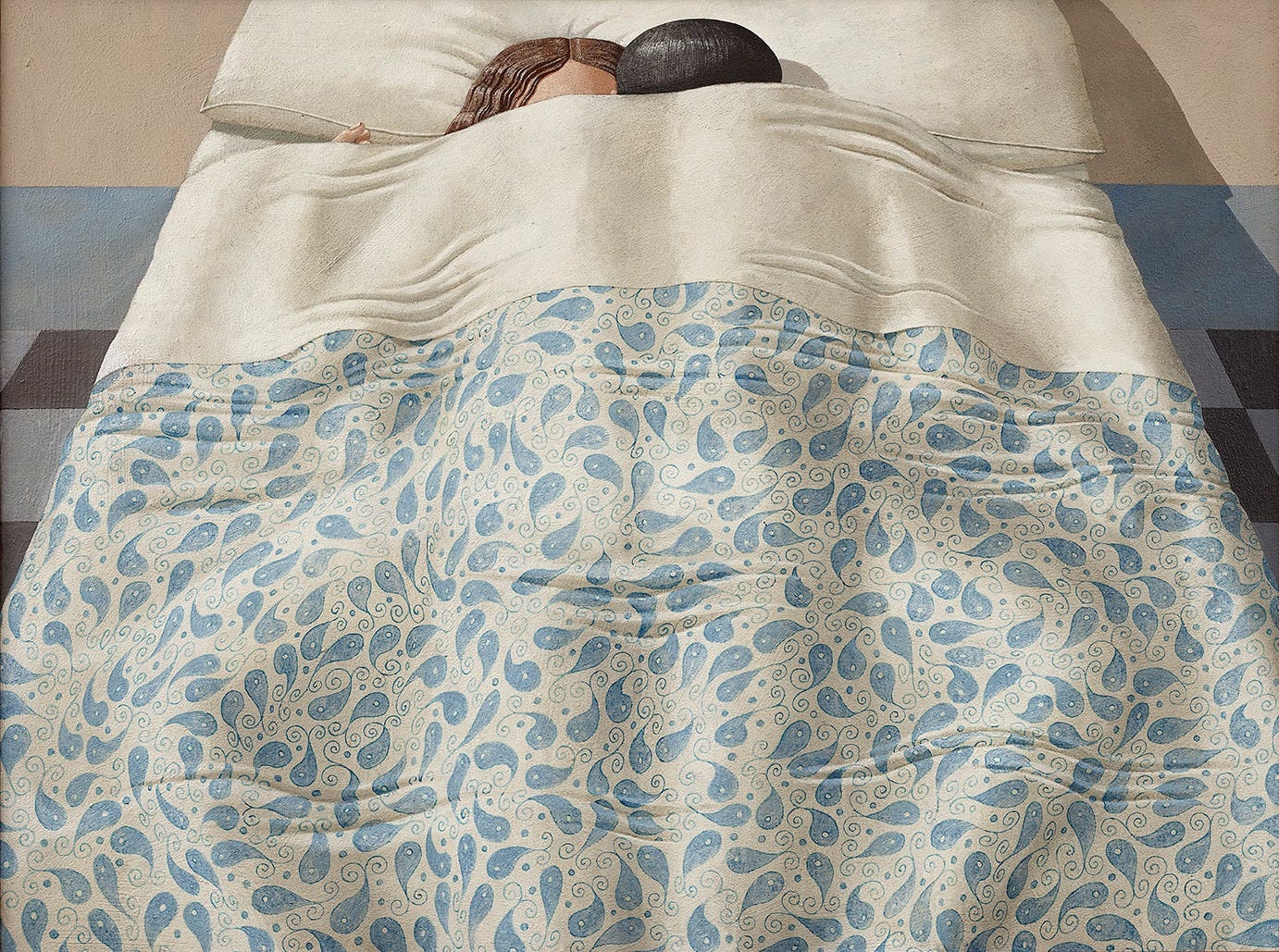
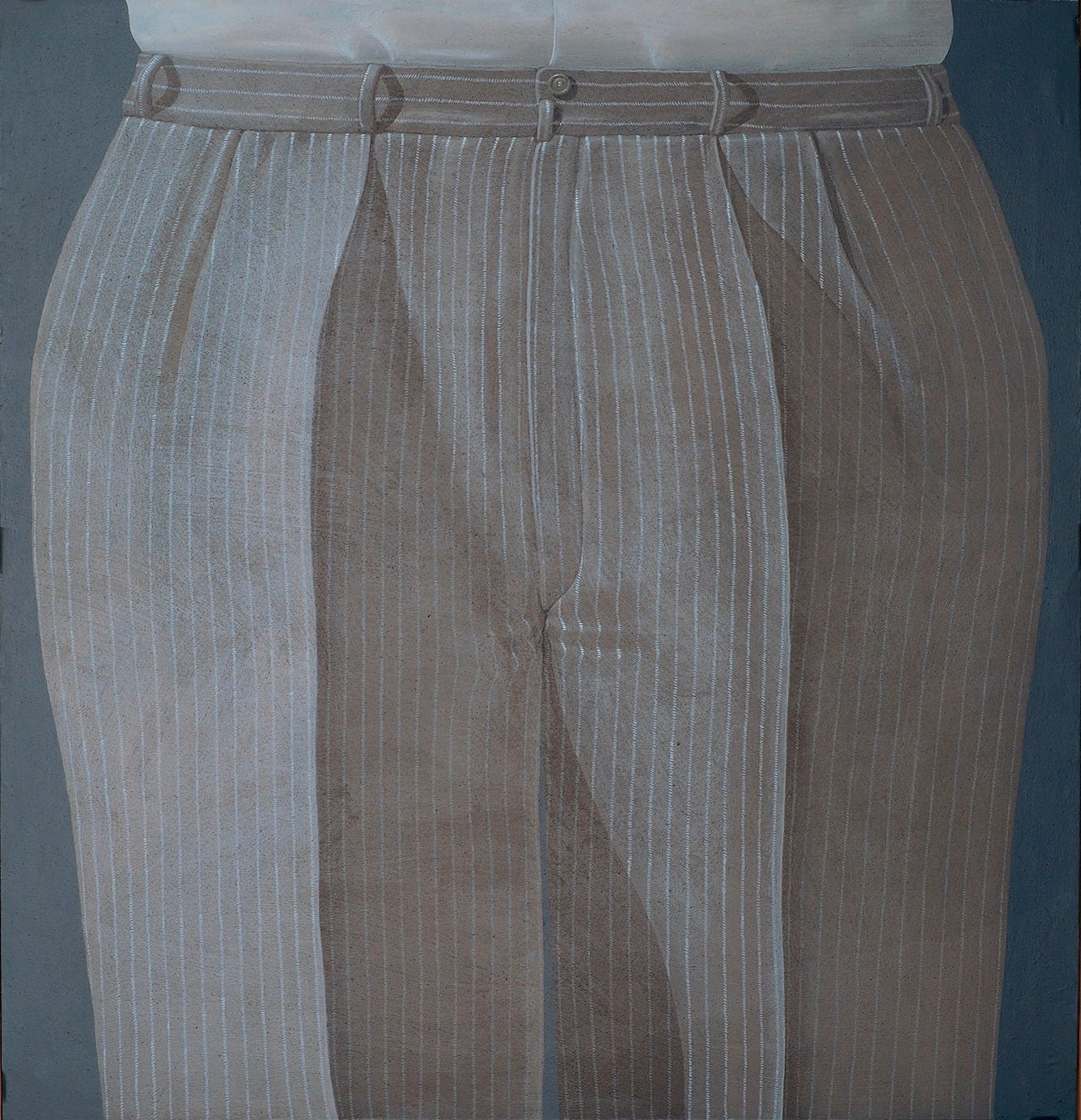
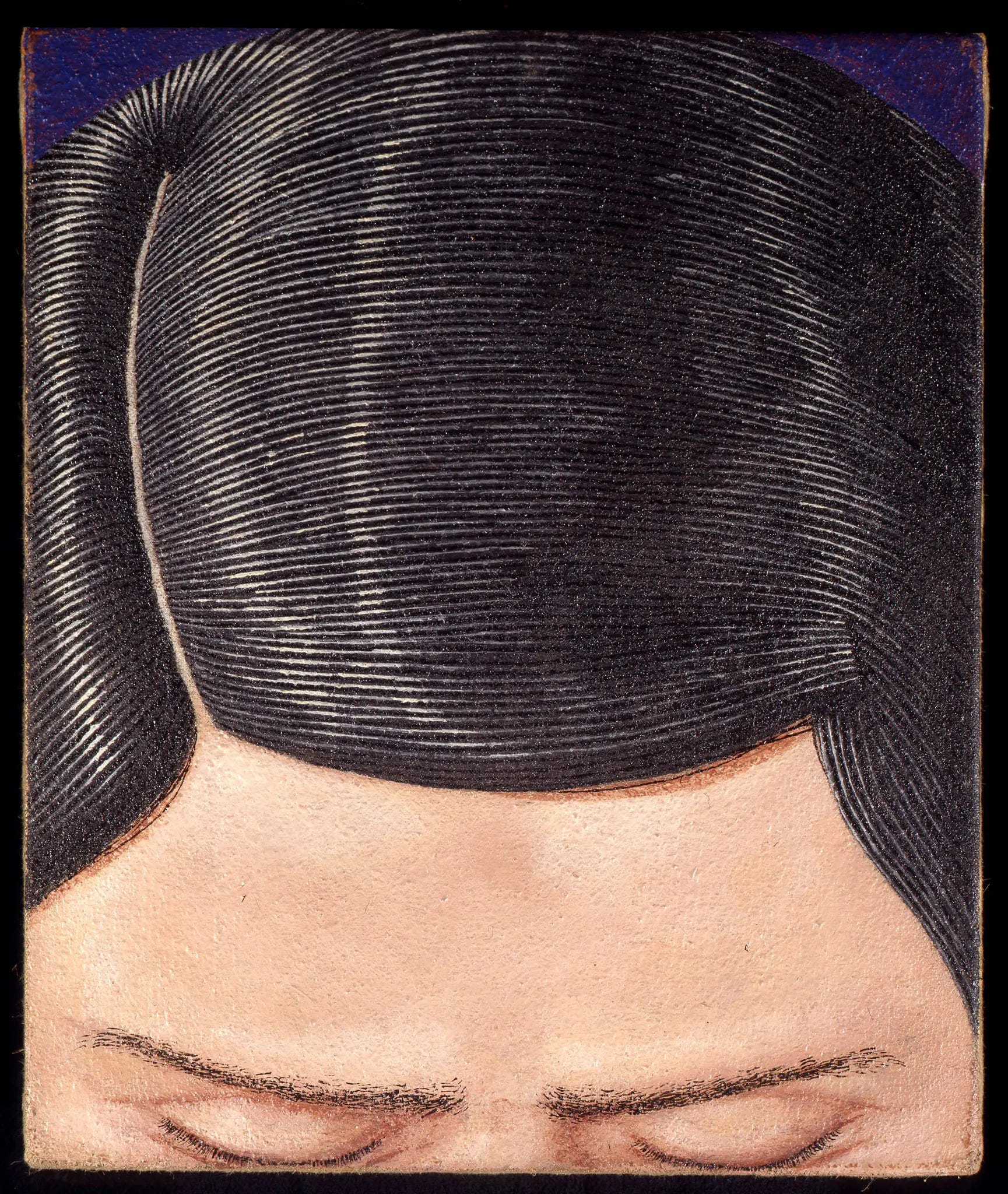
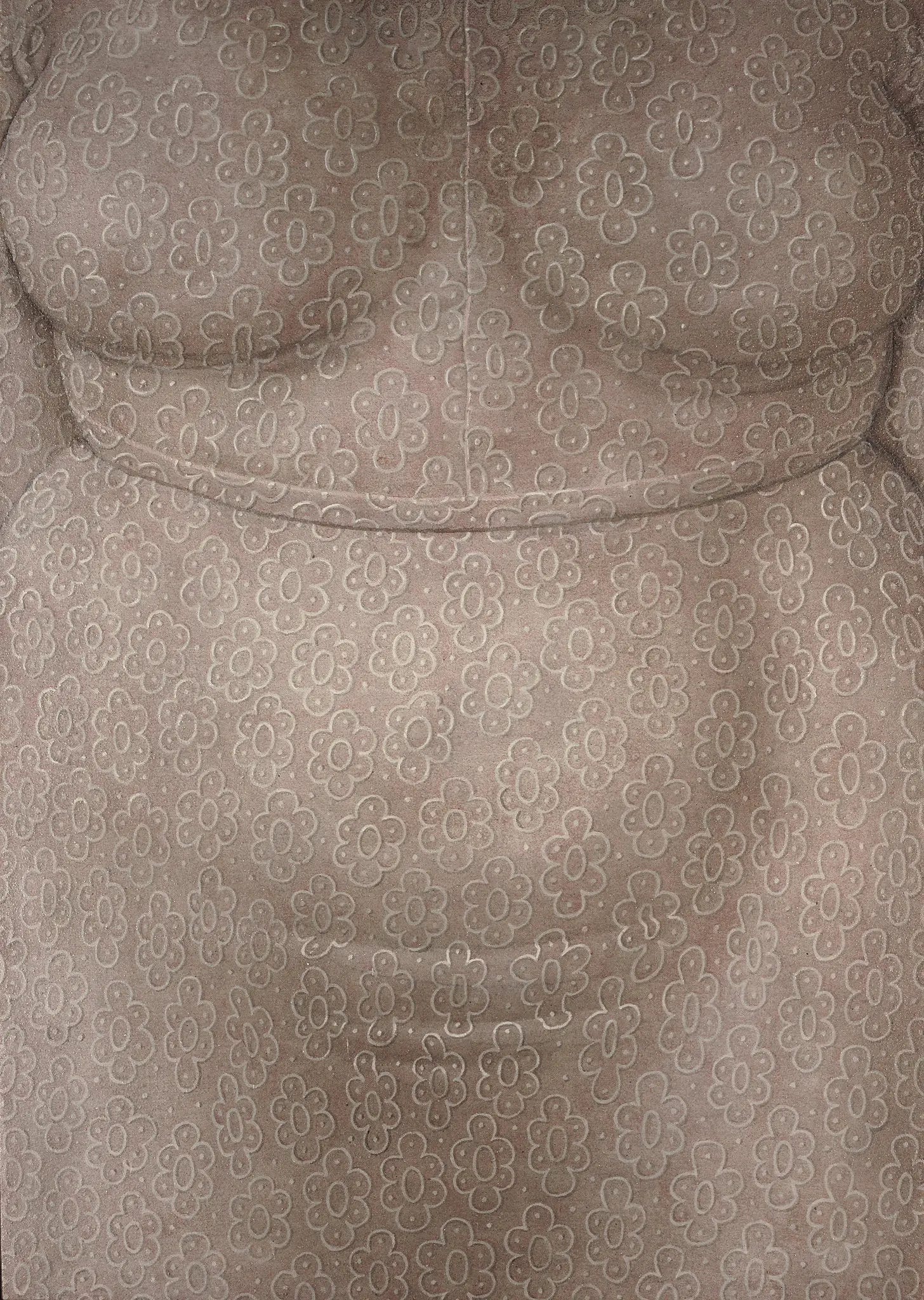
See more of Gnoli’s work here and here.

The Musée des beaux-arts de Montréal (a fine arts museum) is quite the sprawling complex. Inside, I saw a playful structure hanging from the ceiling by Calder, with the initials CA inscribed on one of the metal flaps; a painting by Miró entitled Head that depicts what looks like a bird’s head silhouette in orange; a colorful impressionist landscape by Monet; and tucked near the elevators, a chess set by Salvador Dalí dedicated to Marcel Duchamp, in which some of the pieces took the shape of a finger, in typical Surrealist fashion. For too long a time, I had been meaning to make a visit to this very museum, to see the paintings but mainly, to see a Richard Avedon exhibition, called “Portraits of Aging.”
Richard Avedon was a photographer for Harper’s Bazaar, for Vogue, for the New Yorker. The portraits displayed at the museum were curated around the theme of aging, all in black-and-white, most against a plain white backdrop. My favorite portrait of the bunch was Michelangelo Antonioni’s, the Italian filmmaker. (Did not expect to see his portrait there, so it was a pleasant surprise). His film La Notte is a favorite of mine. Antonioni looked smug in a suit with a patterned shirt, his wife Enrica, standing by his side.
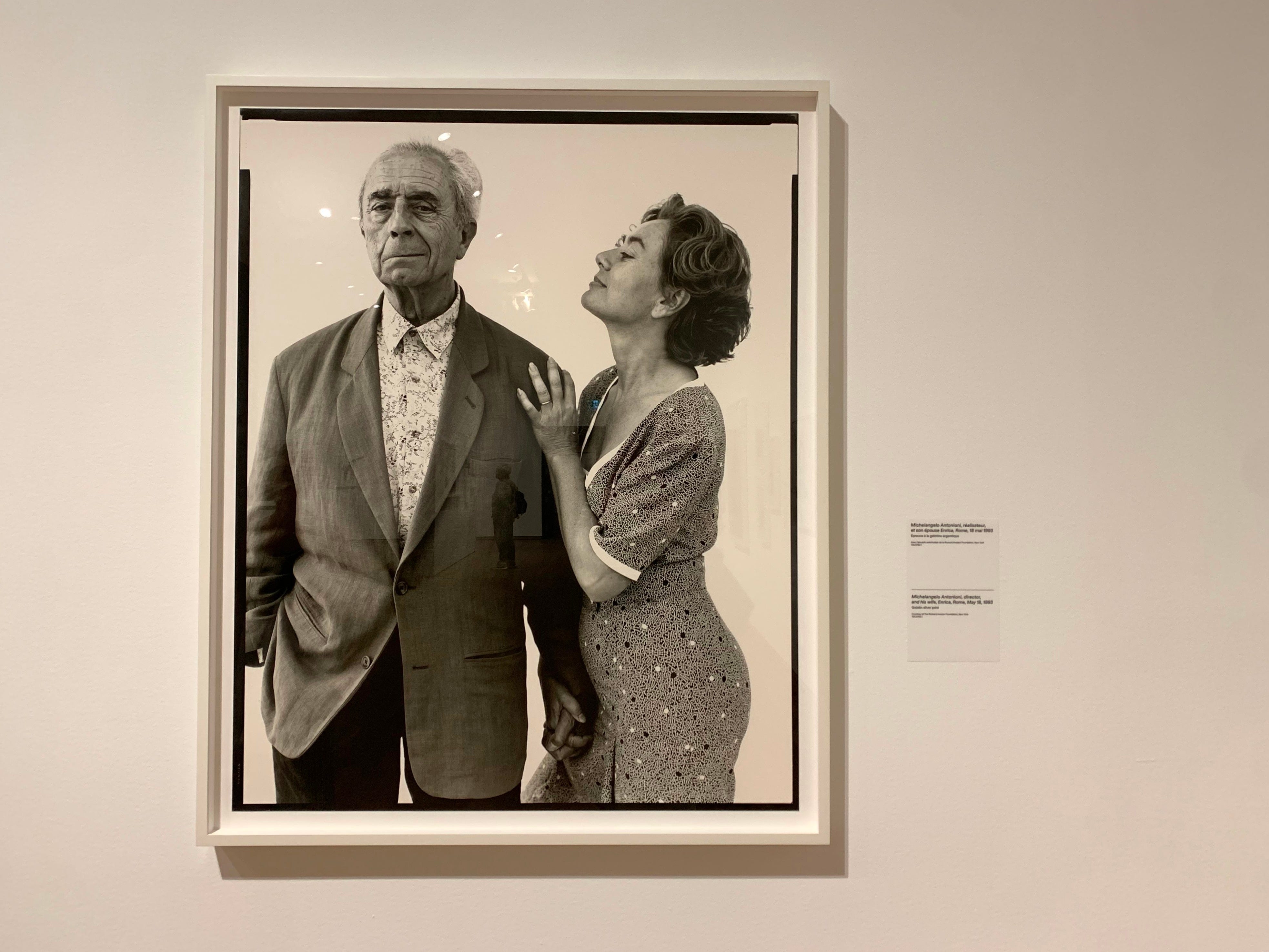
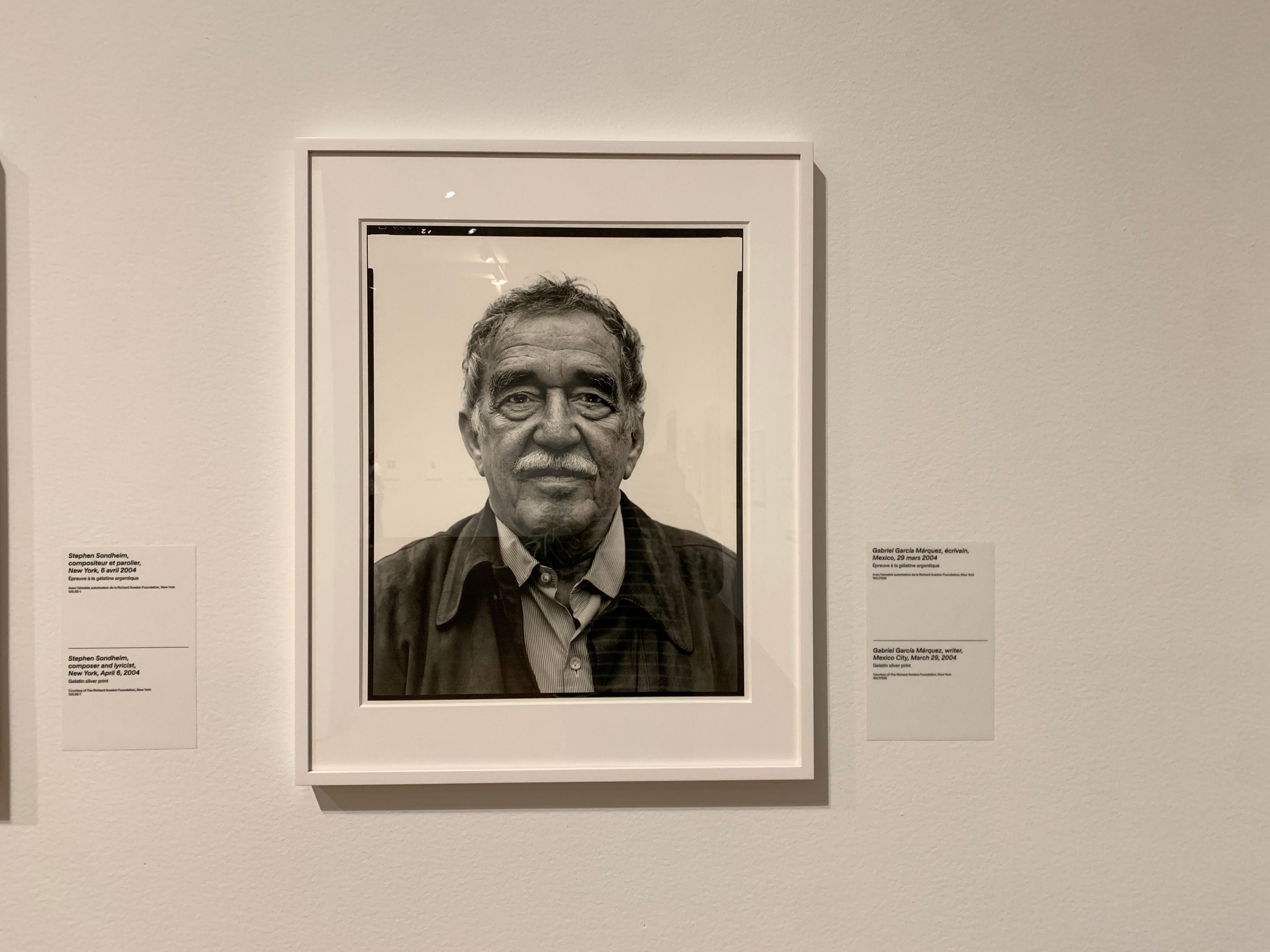
On another corner hangs the portrait of Jorge Luis Borges, the revered Argentinian writer, also in a smart suit; Borges lost his vision later in life, and it inspired a number of poetry he wrote. Chet Baker, the jazz musician, was pictured in a melancholic expression that makes me want to cry a little; Gabriel García Márquez, the Colombian writer and Nobel Prize laureate, looked kind and gentle; two pictures to the left, the portrait of the acclaimed American writer and (another) Nobel Prize laureate, Toni Morrison; Gloria Swanson, the actress who played in Billy Wilder’s Sunset Boulevard, looked vivacious and animated; Marguerite Duras, the French writer, is pictured joyful in a small square portrait; also scattered throughout are: Ronald Reagan (American president), John Ford (filmmaker in the Western genre), Jean Renoir (French filmmaker, son of Impressionist painter Pierre-Auguste Renoir), de Kooning, Ezra Pound, and Samuel Beckett.
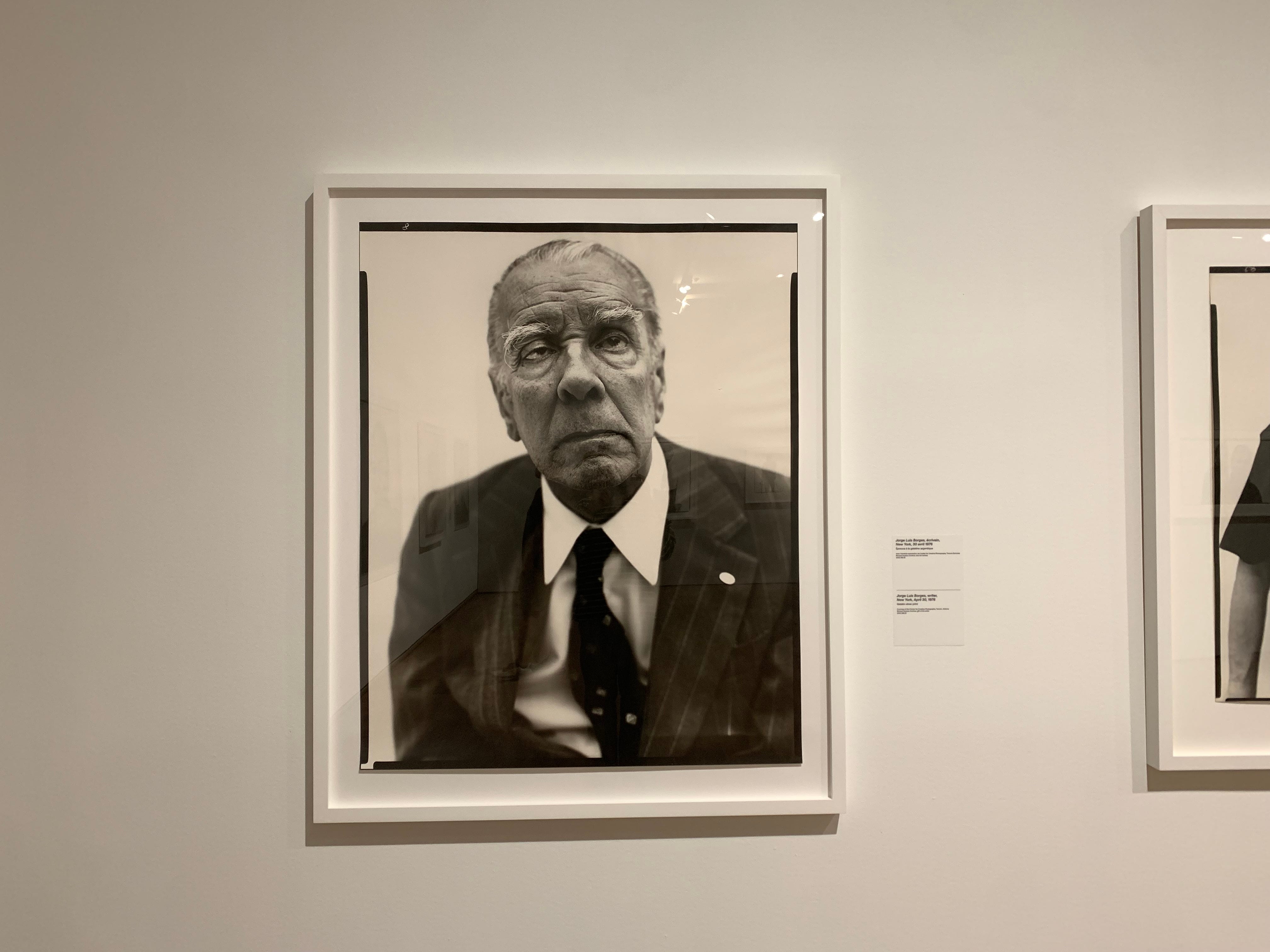
I think these portraits are striking for their clarity; here are the subjects, presented in their nakedness, showcasing all the minuscule qualities that together make up their beings: pores, dents, creases, the differing slopes of ears and nose and mouth. If one observes closely and for long enough a time, emotions can be deciphered in their eyes. But more broadly, it also showcases our beings, as a member of the same human species: the wrinkles, the blemishes, sagging skin — all that is inevitable and natural and beautiful, as we age.
A selection of Avedon’s work can be found on his foundation website.
And c’est tout, thank you for reading. I hope you’ve been keeping cool from the heat, have a great week ahead.
(July 3, 2026) Update: Two edits were made to correct Joan Miró’s name (which was originally spelled ‘Miro’) and Willem de Kooning’s name (which was originally spelled ‘De Kooning’).