



Sun streaming through the windows and much warmer weather, humidity-filled air with sweat rivulets down the spine, raspberry, mango, peach-flavored sorbets, salted caramel, chocolate fudge, and strawberry cheesecakes, the sight of pink magnolias and the smell of white jasmines, wet patches on the ground after a brief rainfall, then outdoor speakers and music festivals, wafts of pastries outside bakeries and blended talkings inside eateries, wine on the terrace and beers at one, tanning on the roof and swimming in the pool, long long walks in the blue of late sunset, laying on the sprawling greens and reading under trembling leaves, sitting on a bench across the river, or park, or mountain, or fountain, or sprinkler, Coca Cola and beading condensations, balmy nights at the cinema and lazy lingering in the plaza, newfound happiness, underlying sadness, and some great confusion: merry summer!
Today, June 21st, marks the Summer Solstice, the day with the longest daylight of the year in the Northern Hemisphere, and also the day where Spring officially becomes Summer. I hope you’ve been having a fine day.
Pictures

This past first of June marked one hundred years of Marilyn Monroe, who was born Norma Jeane Mortenson in Los Angeles, in 1926. Up until quite recently, Marilyn Monroe the actress was foreign to me. So it was with that, that I watched her in these old Hollywood films for the first time: Niagara (1953), Some Like It Hot (1959), and The Misfits (1961).
It’s not difficult for me to see why Monroe left an enduring legacy. In Niagara (her breakout role), Monroe plays a woman in an unhappy marriage, whose captivating persona — that of a seductive, sultry, and even provocative nature — is the very essence of the film. The movie, filmed using the Technicolor process, is quite stunning. The colors are nicely saturated and vibrant; you see it in the rainbow by the waterfall at the start of the film, and in the pop of hot pink and pastel blue attires that Monroe wore. There’s also this sort of airbrush or blur effect around the subjects, that added to an ethereal quality. The Andy Warhol screenprints of Marilyn Monroe were actually based on a publicity photo from this very film.
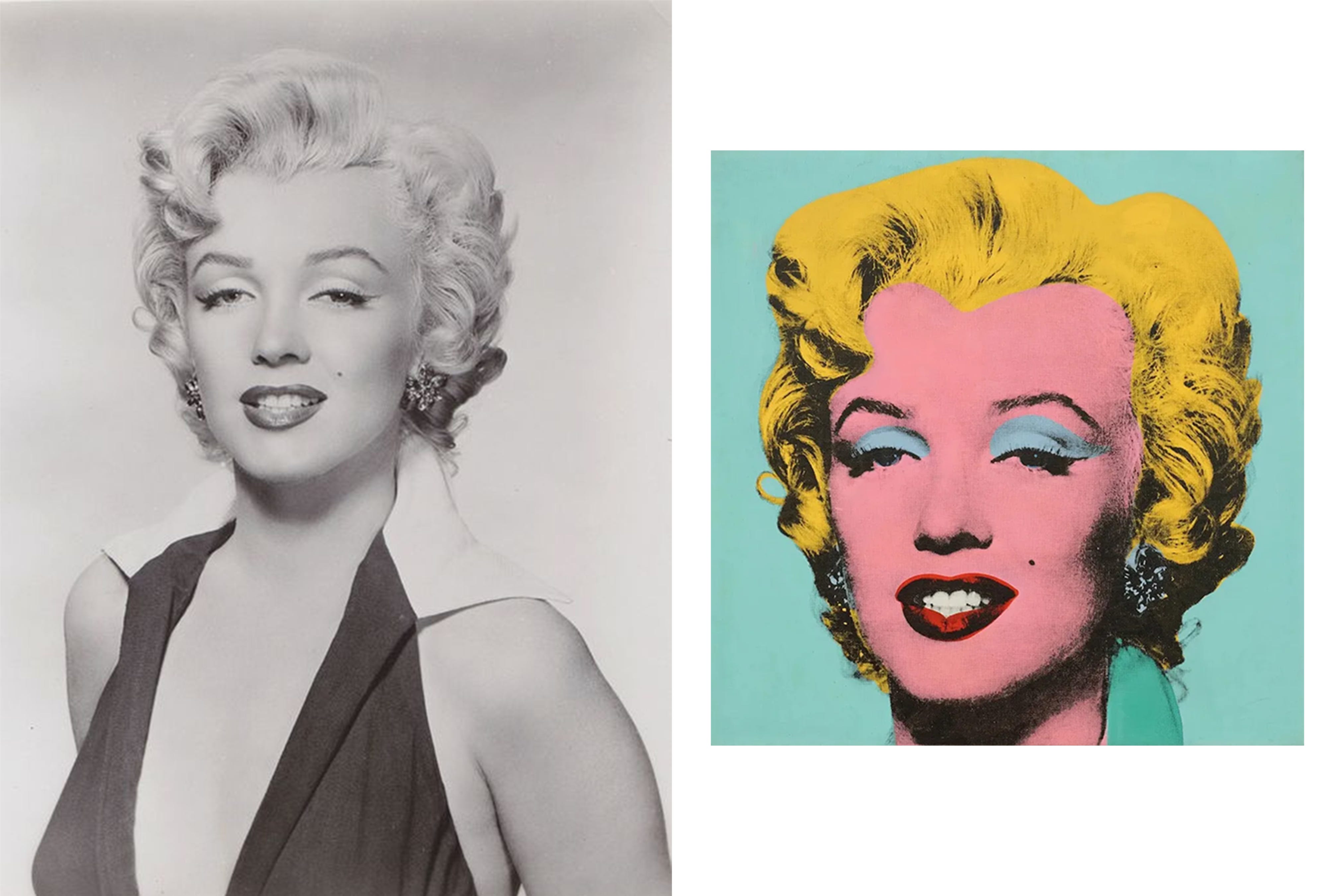
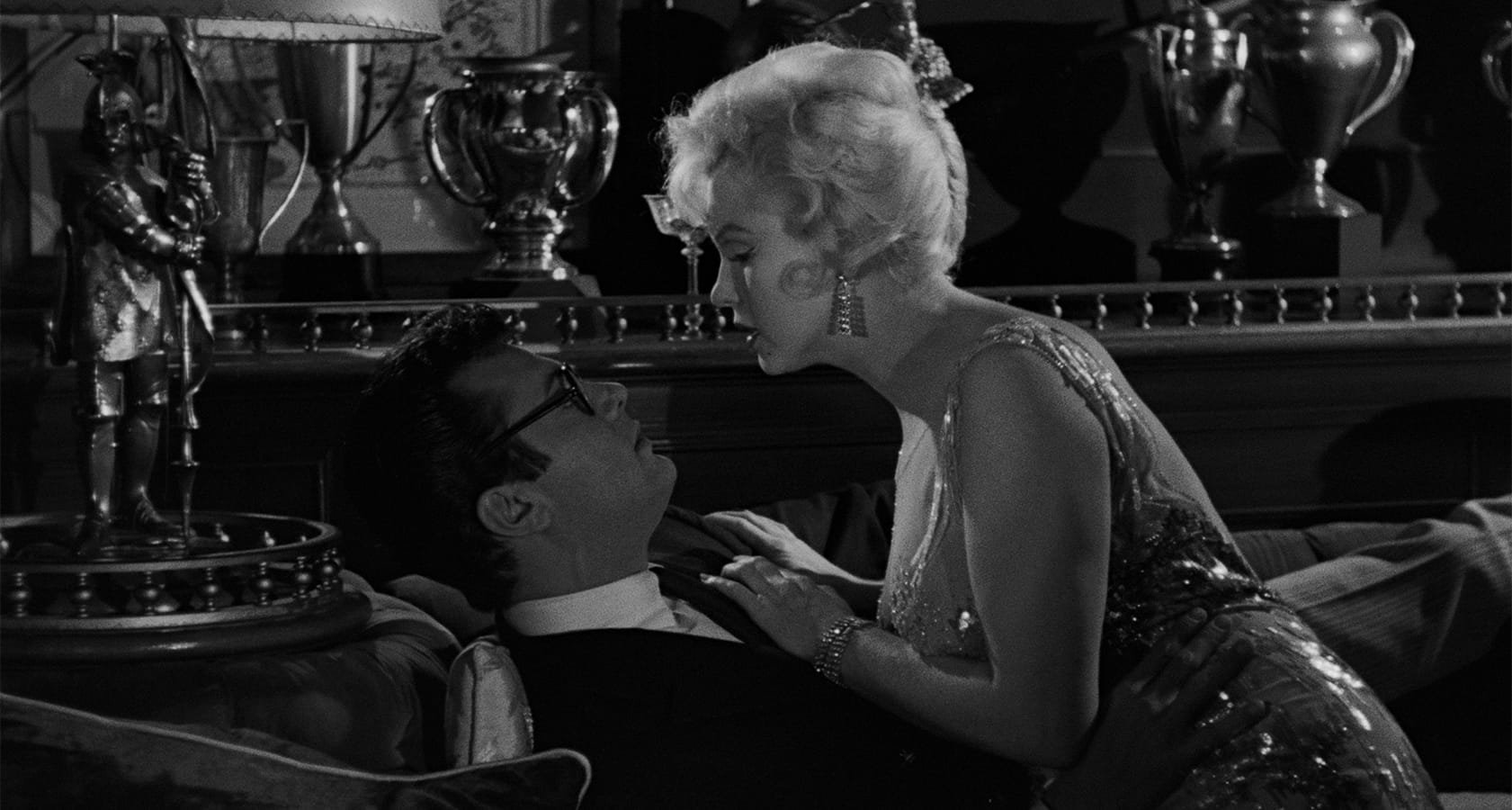
In Some Like It Hot, a black-and-white Billy Wilder picture, Monroe plays a more animated character (“Sugar“) while maintaining her signature magnetism. I had a good time watching this film and laughed a lot.
Sugar is a traveling musician who plays the ukulele and sings. There is one scene where Sugar, while on a yacht with a supposedly well-to-do man (played by Tony Curtis), attempts to convince him that his heart isn’t made of stone by planting kisses on him. In this scene, she wore a sparkly dress that glints in the dim light, with every movement mimicking the stars in the sky. In the theater, I thought the scene was particularly beautiful.
Monroe’s last film was The Misfits. Her untimely death came in 1962, at age 36.
The pendulum swings, with Audrey Hepburn on one side, and Monroe on the other. Whereas there’s the term ‘auteur’ for directors who’ve established their own sense of style in filmmaking, I think the same can be said for actors. The 1961 film Breakfast at Tiffany’s, adapted from a Truman Capote novella, ultimately casted Hepburn as Holly Golightly, but Monroe was considered for the part. Had she taken up the offer, the film would’ve taken a completely different tone. In my opinion, Hepburn and Monroe are both endowed with a quality that make their films particularly theirs.
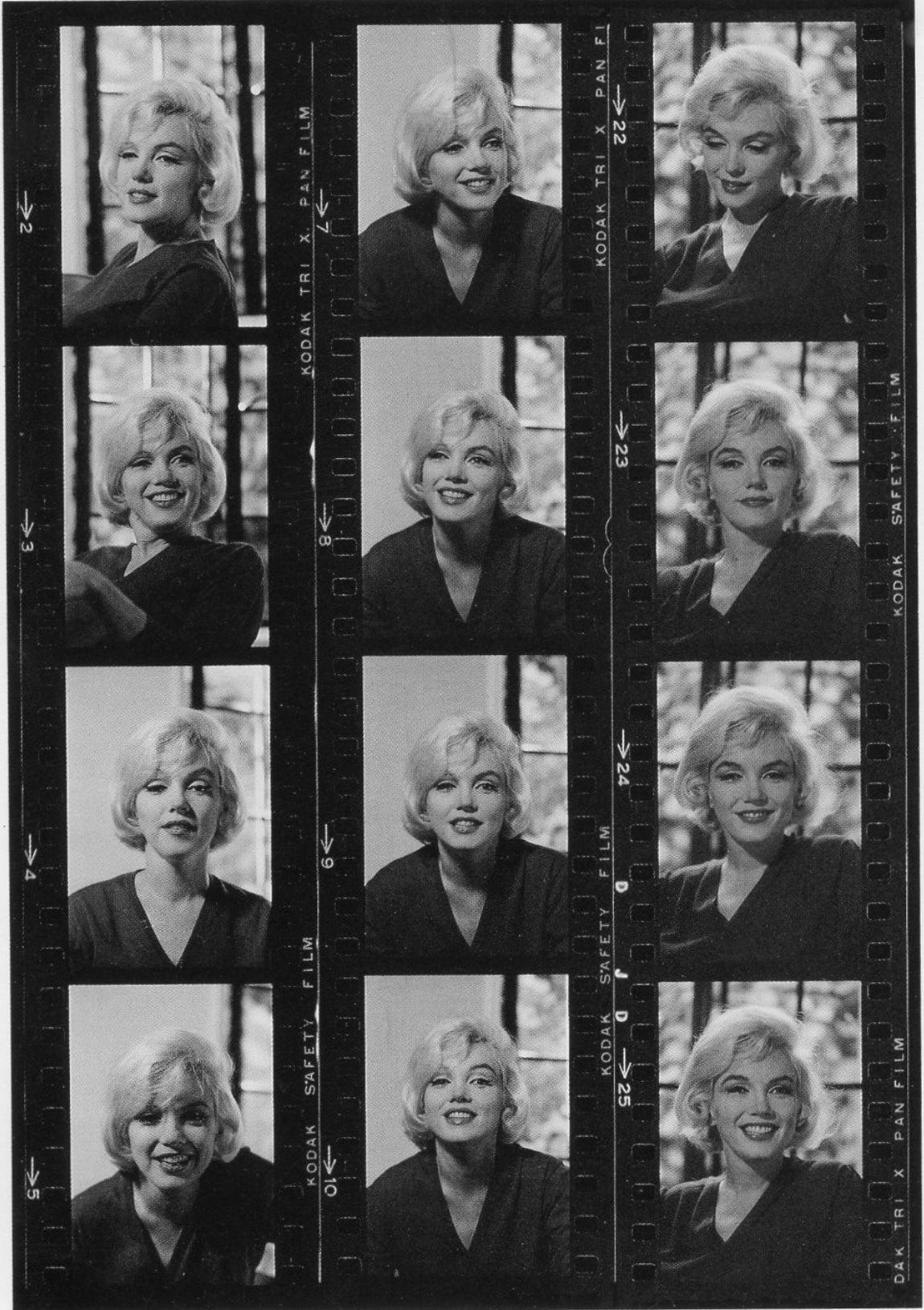
“Some of my foster families used to send me to the movies to get me out of the house and there I’d sit all day and way into the night,” Monroe said, in her last interview with Life Magazine1, “up in front, there with the screen so big, a little kid all alone, and I loved it.”
Art

David Hockney, a British artist, a figure in the contemporary art scene, passed away on June 11th, at the age of 88. In an obituary, the BBC called Hockney “Britain’s Favorite Artist.” The work of David Hockney always stood out to me for the bold and vibrant use of colors.
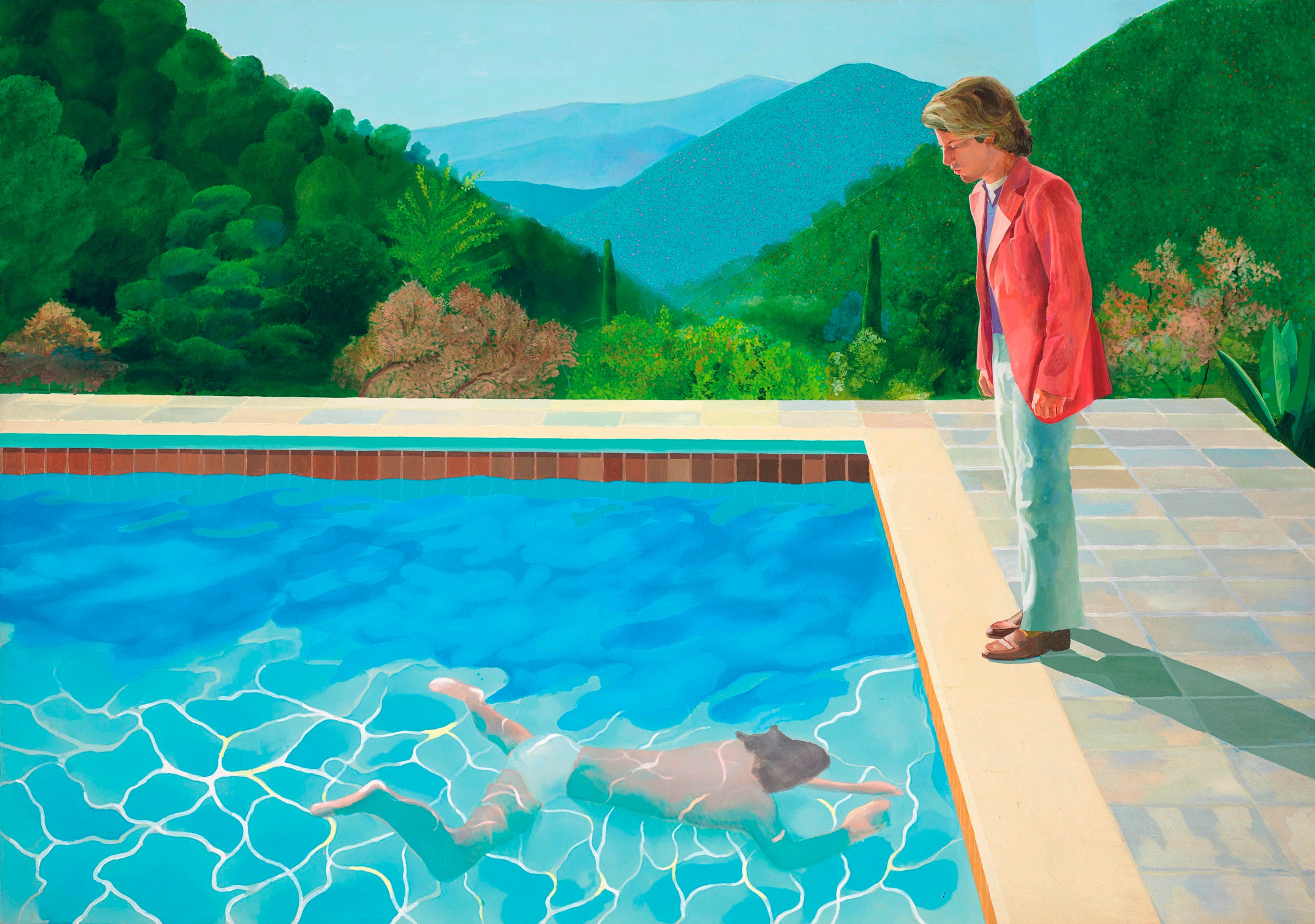
I recently watched a documentary called Hockney from 2016, that interviewed him, his family members, and his contemporaries, loosely chronicling the evolution of the man and his art: from a boy growing up in Bradford, England to his move and immersion in the freedom that California offered; from physical paintings on canvases to digital paintings on iPads. It stood out to me that the sunny colors of his paintings found an imprint on Hockney himself (or maybe vice versa); the bleached-white hair, the bright mint-green cardigan, the cheeky polka-dot bowtie.
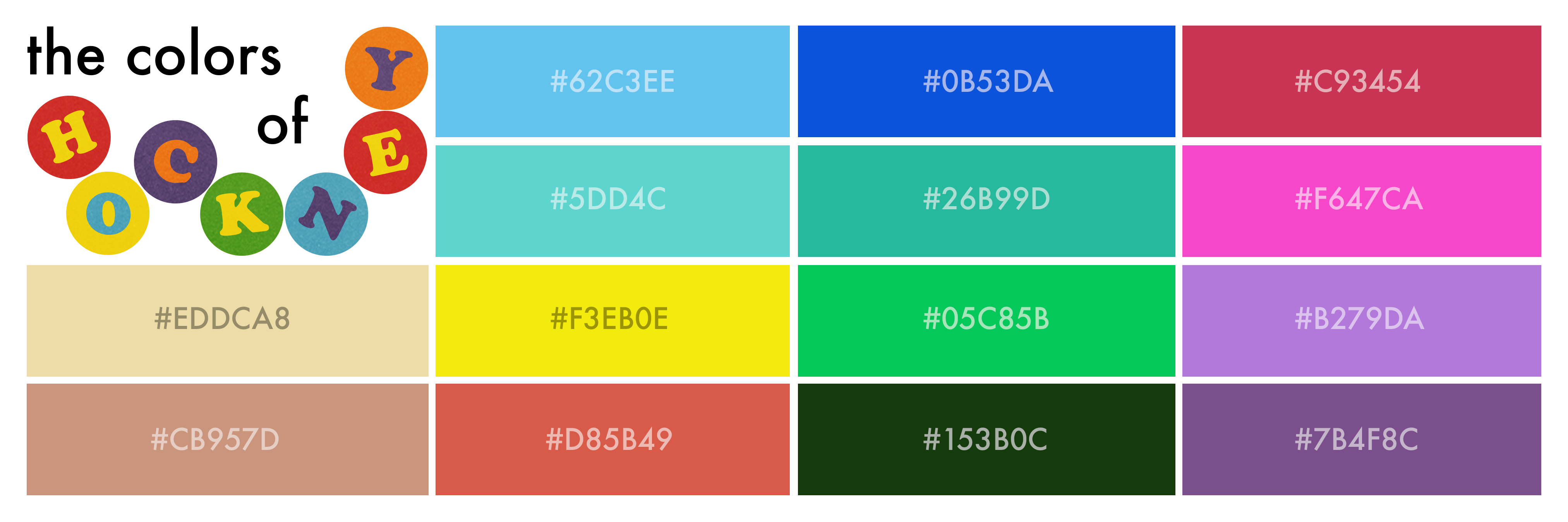
Rest well, David Hockney.
Briefly in Sounds

Ah, a great album to put on while out for a sunny day’s walk! Rumours was released in 1977 by Fleetwood Mac and the genre is Pop-Rock. “You Make Loving Fun,” the eighth track on the record is a current favorite of mine, with notes that conjure up an optimistic feeling. Then, there’s the classic “Dreams”, and “Never Going Back Again,” a stripped-down, sentimental tune.

John Coltrane’s Jazz album, My Favorite Things, was released in 1961. The record consists of 4 tracks, totaling 41 minutes. Three are upbeat and playful, one is calm and reflective, all are great listens. My favorite is “Ev’ry Time We Say Goodbye.” A fun record to play in the evenings.
Thank you for tuning in. Have a great week ahead.